Why Horses Kick Stall Walls and How to Address the Cause
When a horse pounds on a stall wall, it often looks like defiance. In reality, the behavior sends a clear message about the animal's current state. Before reacting, handlers must ensure everyone stays safe and determine whether the driver is physical discomfort, social tension, or manage-related frustration.
Quick takeaways
- Treat sudden or escalating stall kicking as a possible pain signal and arrange veterinary assessment before assuming it is a training problem.
- Track when and where kicking happens because stall neighbors, feeding activity, and confinement patterns can reveal the trigger.
- Review forage access, turnout, movement, and social choice rather than relying on punishment to suppress the behavior.
- Measure improvement by reduced frequency and intensity plus a more relaxed horse, not only by a quieter stall.
Installing A Horse Kick Wall In Run In Stall - Getting Unwanted Help From Horses
thinklikeahorse #ItIsNeverTheHorsesFault Putting in a kick wall to protect horses from metal sheets in case of accident. This was ...
Also useful if you are comparing clips around: why horses kick stall walls and how to address the cause
- Channel: Think Like A Horse
Treat sudden stall kicking as a possible pain signal
Physical discomfort and an adverse emotional state frequently occur together. When a horse feels hurt and cannot simply walk away from the source, it may direct its frustration at whatever is closest, whether that is a partition, a door, or a solid wall. Any fresh onset or steady increase in kicking deserves closer attention than a typical nuisance.
A full equine veterinary exam should come first, not after behavioral fixes have failed. Keep a close eye on timing: does the kicking begin right after riding? Does it show up near feeding time? Also watch for stiffness, localized heat or swelling, shifts in appetite, or any other change that stands out from normal routine.
Good horse photography almost always gets easier when the plan gets simpler.
Read the behavior in its full context
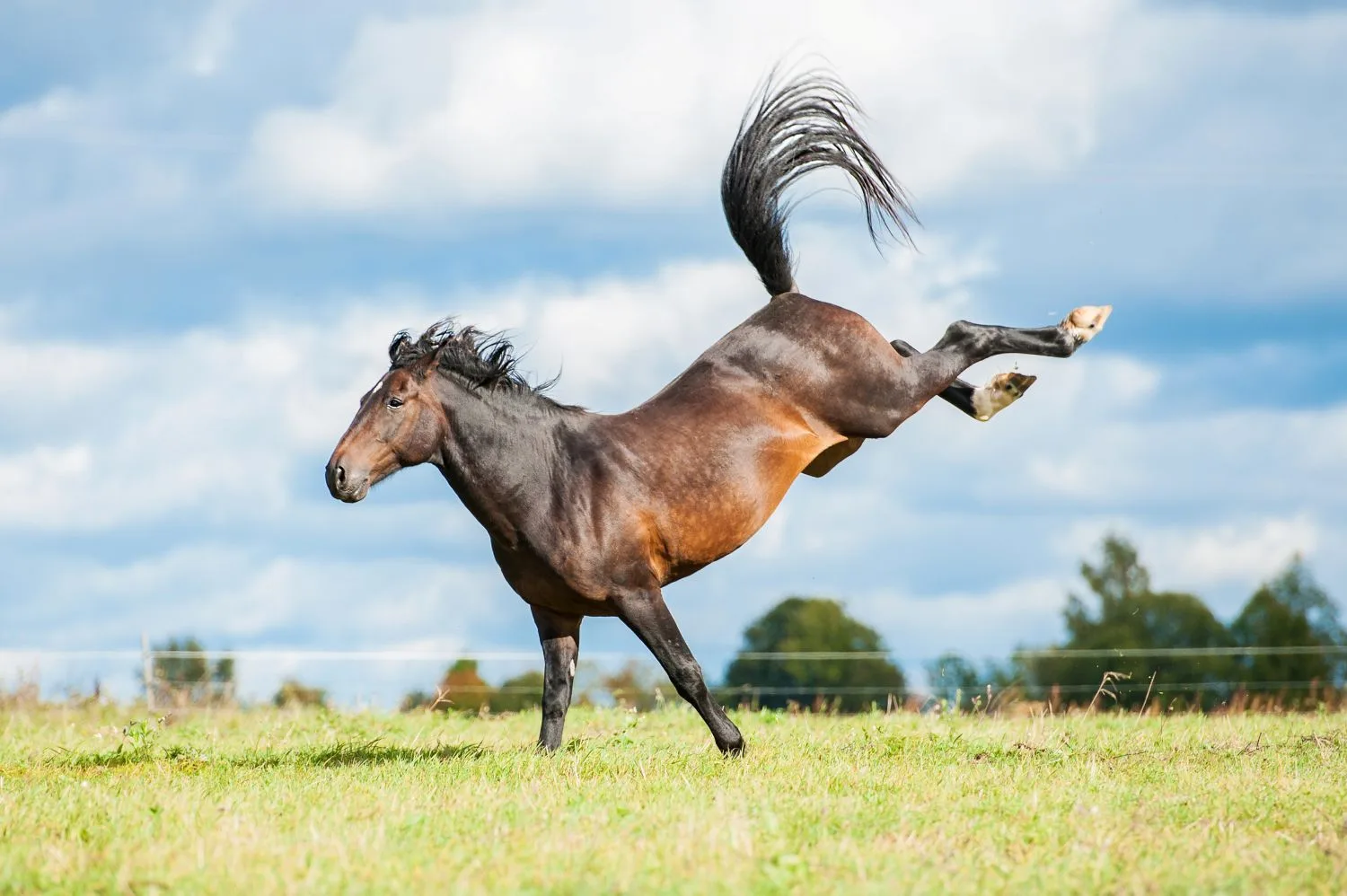
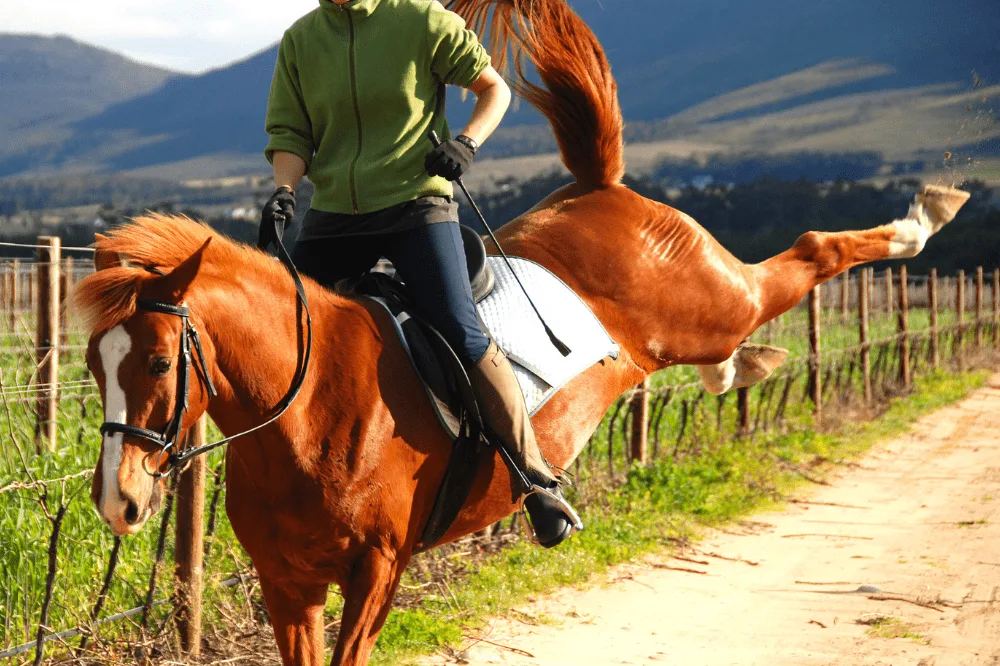
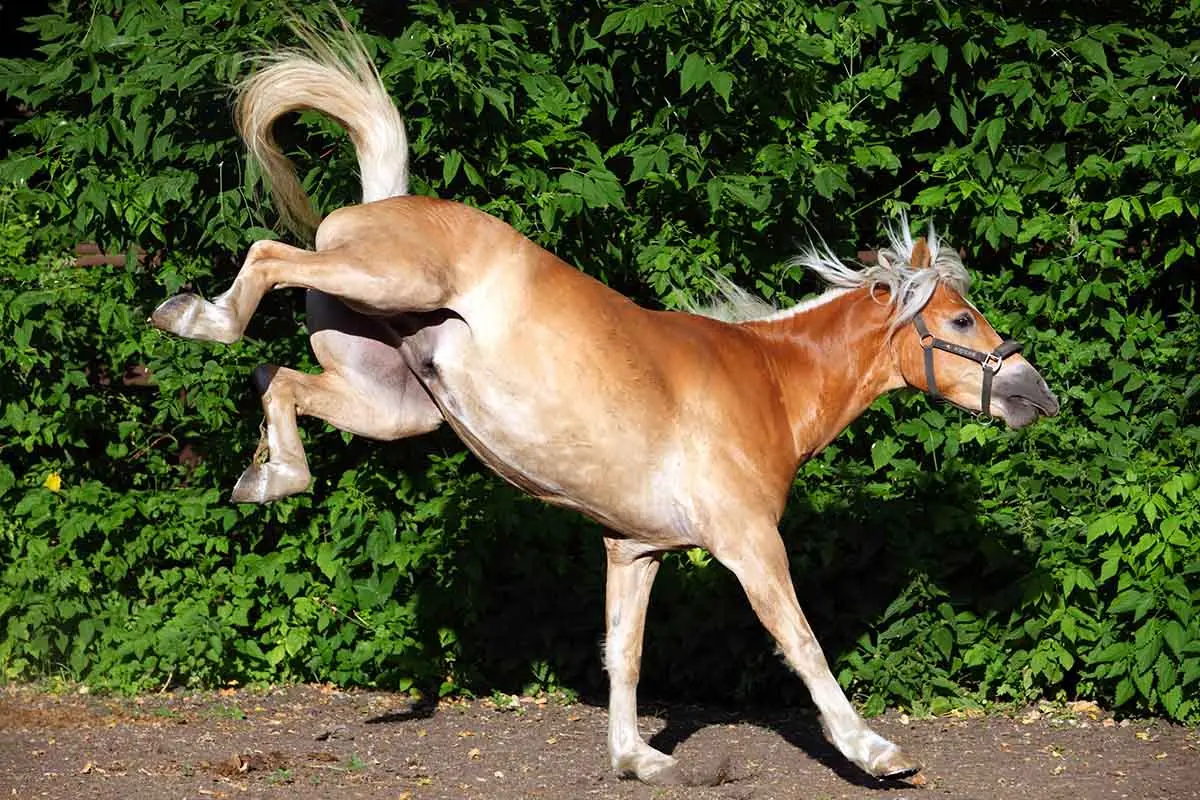
Kicking belongs to the everyday language of horses. An animal might strike out when startled, when it feels boxed in, when protecting a resource, during courtship, or even in play. Between two horses, a raised kick frequently serves as a caution rather than a demand for full-force contact.
Start logging details immediately. Write down where the episode happened, the hour it occurred, which stall neighbor was involved, what feeding was underway, and anything that happened seconds beforehand. Patterns linked to a particular doorway, a certain feed bucket, or one specific companion prove far more valuable than a vague claim that the horse kicks indiscriminately.
Check for conflict at the stall partition
Open pasture gives a horse the option to step back when receiving a pinned-ear signal from another animal. Shared walls remove that escape route, so even a mild social disagreement can spiral into repeated strikes against the barrier.
When the same partition produces most of the trouble, consider whether a different neighbor would ease the pressure. Relocating the horse to a more compatible stallmate often resolves the issue without resorting to permanent separation. The aim is to restore enough choice and space so chronic tension drops while still allowing the horse appropriate interaction with others.
Look closely at forage and feeding patterns
In the wild, horses spend the majority of their waking hours browsing. When a set ration disappears within minutes and stretches of silence follow, the result is often both gastrointestinal unease and mounting frustration. Hearing other animals receive their share can sharpen that distress considerably.
Pay attention to actual forage duration instead of only tracking total weight delivered. Where the individual horse handles it well, splitting hay into smaller, more frequent portions or providing an approved slow-feed system can eliminate long dry spells. Any adjustment to the diet should still reflect the horse's body condition score and recommendations from its veterinarian or nutrition advisor.
Increase opportunities for movement and normal behavior
Limited turnout and insufficient daily exercise compound the difficulty of self-regulation inside a confined stall. Without the ability to pace, graze, investigate, or initiate social contact, a horse has very few constructive outlets once arousal climbs.
Evaluate the full routine together: hours spent outside the stall, type and length of work, access to herd companions, placement of the stall itself, and the predictability of the day's schedule. Implement one modification at a time and observe whether kicking drops off in both count and force before adding another change.
Respond without turning stress into a punishment cycle
Safety comes first, then eliminate whatever triggered the episode if you can do so easily, and finally target the root need behind it. Layering repeated corrections tends to stack fear on top of the original problem, and physical devices built only to block the motion leave genuine pain or management gaps entirely unaddressed.
Bring in qualified equine veterinarians and certified behavior professionals whenever the origin stays unclear, the kicking intensifies, or people remain at risk. Measure success by fewer incidents, gentler contact, calmer body language, and demonstrably better welfare, not by silence alone.
Frequently asked questions
Should a horse that suddenly starts kicking the stall be examined by a veterinarian?
Absolutely. Fresh or worsening stall kicking often points to physical pain or discomfort. Keep handlers away from the hindquarters, document any accompanying signs, and schedule a veterinary exam before attributing the habit to pure defiance.
Can the horse in the next stall cause repeated kicking?
Yes. Social friction becomes especially problematic when a horse lacks room to retreat from an incompatible neighbor. If one shared wall consistently draws strikes, reassess the pairing and overall stall setup while ensuring the horse still receives appropriate social contact.
How can feeding management contribute to stall kicking?
Extended gaps between forage offerings, fast consumption, and the excitement generated when other horses receive meals can all spark discomfort and frustration. Review actual forage availability and feeding timing against the horse's body condition and professional guidance.
Why is punishment alone a poor solution for stall kicking?
Penalties cannot locate pain, ease fear, resolve social tension, or remove frustration; they simply add another stressor. A safer strategy manages immediate danger, records behavioral patterns, and corrects whatever is actually driving the kicking.