How to Grow as an Equine Photographer Without Copying Everyone Else’s Style
Growth as an equine photographer usually starts before a new camera body.
Quick takeaways
- Limit gear on purpose so composition, timing, and distance improve instead of hiding behind lens changes.
- Change angle, height, light, and assignment theme to train the eye without copying another photographer’s finished style.
- Study horse behavior and rider connection so the final image feels specific to the subject, not just pretty.
- Review images for repeated strengths and weak habits; those patterns are where a personal style starts to form.
The biggest shift that took me from passion to professional equine photographer
In this video, I'm sharing the biggest shift I made in my journey as an equine photographer. The moments that changed everything.
Also useful if you are comparing clips around: grow as an equine photographer
- Channel: Eliane van Schaik - The Equine Collective
Practice seeing before changing gear
Choose one lens or one focal-length range for a whole practice session. A wide lens forces you to move your feet and manage foreground, fencing, sky, and the horse’s body shape. A longer lens forces you to watch layers, compression, background separation, and the exact second the horse’s expression changes.
This constraint works because it removes the easiest excuse. Instead of switching gear whenever a frame feels hard, you learn where to stand, when to wait, and how to clean the background around ears, reins, legs, dust, and arena rails.
- Shoot one session with one lens and write down what it made easier or harder.
- Move lower, higher, closer, and farther before changing settings.
- Watch ears, legs, rider hands, and background lines before pressing the shutter.
Good horse photography almost always gets easier when the plan gets simpler.
Review your images for patterns, not just mistakes
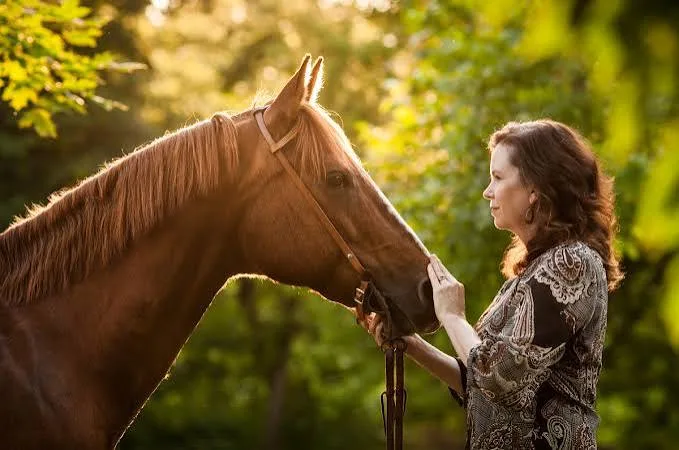
After a session, do not only mark what is sharp or usable. Look for patterns: the angle you repeat, the light you avoid, the moment you tend to miss, the crop that keeps working, and the background problem that shows up in every gallery. Growth comes from seeing those habits honestly.
Make a small review set: five images that nearly worked, five that feel strongest, and five that failed for a clear reason. Compare them for timing, expression, composition, color, and story. The goal is to identify what to practice next month, not to judge the whole body of work in one sitting.
- Tag repeated problems such as late timing, busy fences, flat light, or awkward leg position.
- Notice repeated strengths such as quiet connection, strong silhouettes, or clean western details.
- Choose one skill for the next month instead of trying to fix everything at once.
Let horses and western settings shape your style
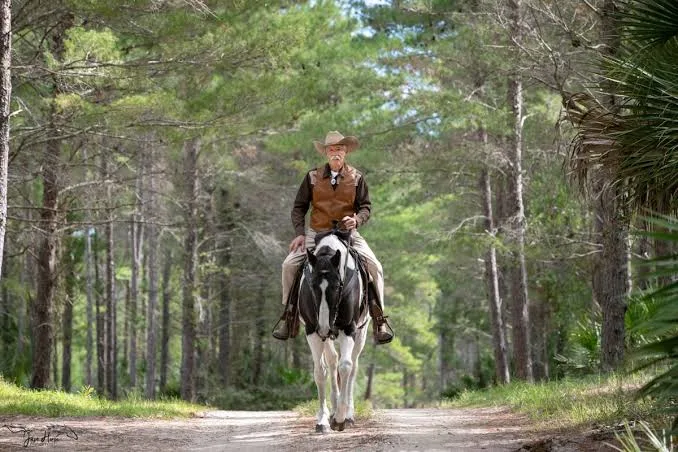
A personal style should still serve the horse. Spend time watching how the subject carries its head, where the rider relaxes, how tack sits, what the barn or ranch environment adds, and when the pair looks most natural. That subject study gives the image a reason beyond a preset or a popular pose.
Difficult light can help if you use it carefully. Backlight, dust, early sun, late shade, arena lights, or storm clouds can create mood, but the horse’s form still has to read. Style becomes stronger when creative choices make the subject clearer rather than simply more dramatic.
- Study the horse’s movement and expression before deciding on pose or angle.
- Use western details—dust, tack, fence lines, open shade, ranch color—only when they support the story.
- Try hard light deliberately, then review whether it improved mood or just added distraction.
Build consistency without copying another photographer
Copying is tempting because it feels like a shortcut to consistency. A better route is to give yourself assignments: tell a full story in five images, photograph the same horse three ways, build a session around motion or connection, or use one color as a visual thread. Those constraints create repeatable decisions without forcing someone else’s look onto your work.
Over time, keep a written style note. List the light you like, the subject moments you chase, the editing choices that still feel honest, and the client experience you want to deliver. Your style should become easier to recognize because your decisions are consistent, not because they imitate a trend.
- Create small assignments around motion, connection, color, quiet, or grit.
- Compare inspiration to your own field conditions before adopting a trend.
- Keep the editing, posing, and storytelling choices that repeatedly serve horse and rider well.
Frequently asked questions
What is the fastest useful way to grow as an equine photographer?
Pick one constraint for a full session, such as one lens, one light problem, or one storytelling theme. Then review the images for timing, background, horse expression, and rider connection before choosing the next skill to practice.
How do I avoid copying another equine photographer’s style?
Study what you admire, then translate it into a practice goal instead of copying the finished look. For example, practice cleaner backlight, stronger connection, or better arena backgrounds rather than duplicating someone’s preset, pose, or crop.
What should I study besides camera settings?
Study horse behavior, safe movement around horses, tack details, rider timing, barn light, arena backgrounds, and how the horse-rider relationship shows up in small moments. Those details make the work feel equine-specific.