How to Photograph Horses in Water Without Creating Risk for the Horse or Rider
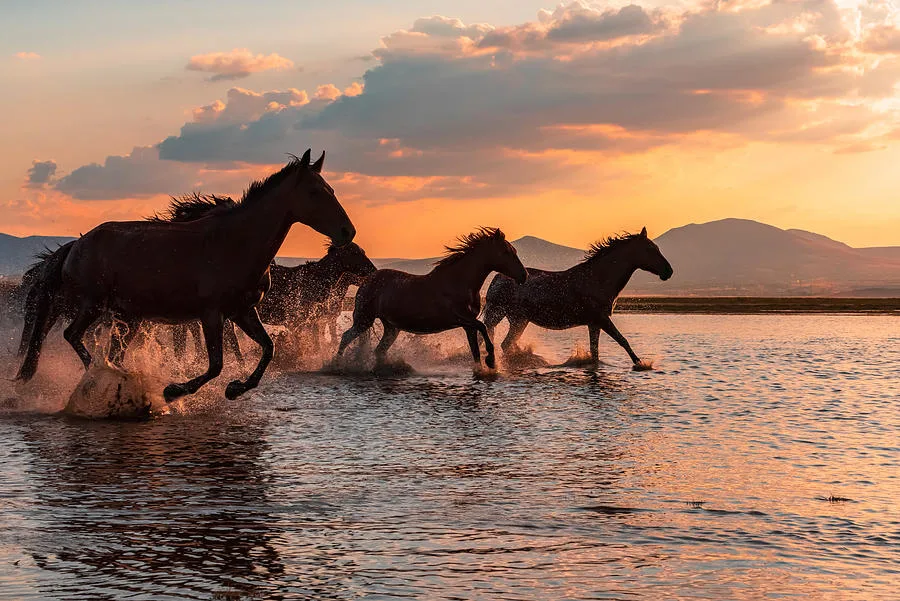
A water session can look magical in a portfolio, but the source makes clear that swimming with horses is a safety activity first. For a photographer, the lesson is to design the shoot around horse confidence, rider control, water conditions, and a short, calm window rather than chasing splashes at any cost.
Quick takeaways
- Water should be deep enough for swimming but calm and safe; horses need gradual exposure before a real swim; tack must allow the head to move freely; helmets matter because churning hooves are a fall risk; riders should keep distance from one another; swimming is tiring for both horses and riders, so sessions should stay short.
- Horse water photography is easier to study when it is tied to a concrete directing choice instead of treated as style decoration.
- The photographer’s job is to protect the horse’s pace, rider spacing, and exit plan rather than pushing for one more dramatic splash.
Wild Horses NC Outer Banks - Wild Photo Adventures
Wild Horses NC Outer Banks - Wild Photo Adventures Join Host Doug Gardner as they share their photography adventure and ...
Also useful if you are comparing clips around: photograph horses in water
- Channel: The Natural History Channel
Scout the water before planning the shot list
A consistent pattern is that the water should be deep enough to prompt swimming but not rough, swift, or cold, with a sandy bottom preferred. A photographer should translate that into a location checklist before a camera comes out.
Look for safe footing, gentle entry and exit, manageable current, good light, and enough room to keep people out of the horse's kicking path. If rocks, hidden holes, cold runoff, or fast water are present, the photo idea should change.
- Prefer calm water with a safe bottom and clear entry.
- Prefer calm water with a safe bottom and clear entry.
- Avoid strong current, cold runoff, hidden rocks, or crowded swimming areas.
- Plan angles from safe shore positions before anyone enters deeper water.
Good horse photography almost always gets easier when the plan gets simpler.
Let horse confidence set the pace of the shoot
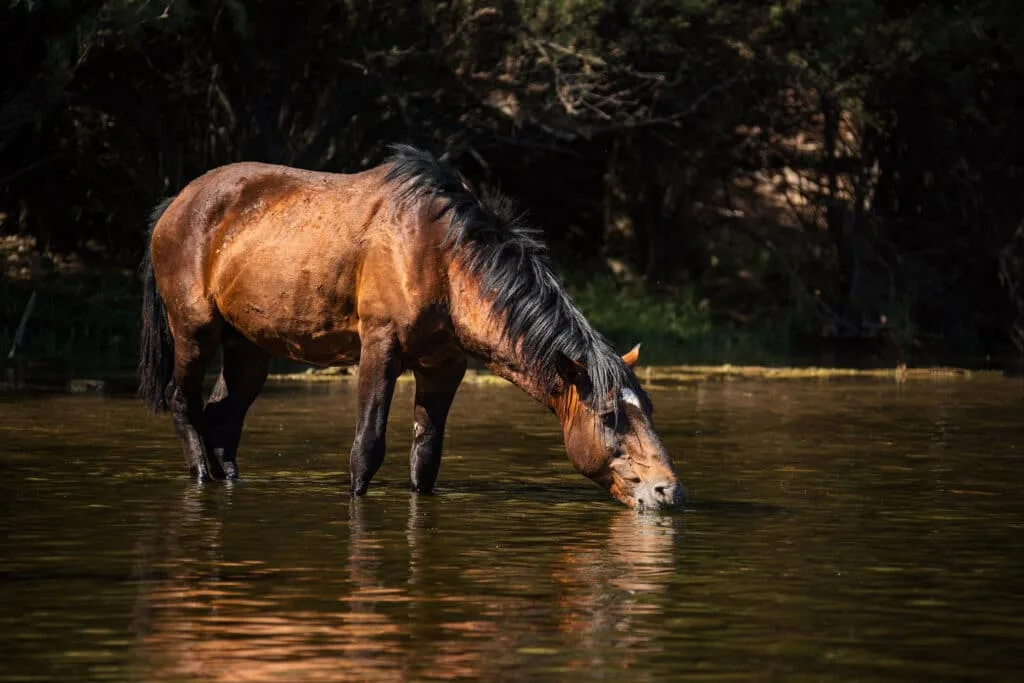
That means starting with belly-deep comfort, quiet standing images, and walking frames before asking for anything more dramatic.
Ears, eye, neck, and rider posture all show whether the session is becoming too much.
- Begin with shallow-water portraits or walking frames.
- Begin with shallow-water portraits or walking frames.
- Give the horse time to adjust to buoyancy and splashing.
- Do not pressure a rider to repeat a risky moment for the camera.
Keep tack, rider gear, and spacing simple
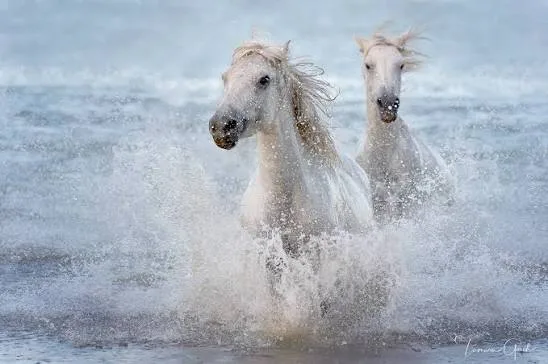
A snaffle or controllable halter setup, and no tie-downs or martingales because the horse's head must move freely to swim. It also emphasizes helmets and competent riders.
For the photographer, this becomes part of the pre-session briefing. Ask what tack will be used, confirm helmets, keep multiple horses spaced apart, and frame compositions that do not require riders to bunch up in deep water.
- Avoid tack that restricts the horse’s head.
- Photograph helmet-aware riders and competent handlers.
- Avoid tack that restricts the horse's head.
- Photograph helmet-aware riders and competent handlers.
- Keep horses separated to reduce collision and hoof risks.
Stop before fatigue changes the expression and the safety margin
Swimming can tire both horse and rider quickly. The best water photographs often happen early, while the horse is curious and the rider is balanced, not at the end when everyone is tired.
A short shot list: safe entry, calm portrait, light splash or swim moment if appropriate, exit, and after-water detail. Build in breaks and make stopping early look like professionalism, not failure.
- Limit the deep-water portion of the session.
- Limit the deep-water portion of the session.
- Watch for fatigue, loss of rider balance, or horse tension.
- End with calm exit images instead of pushing for one more splash.
Frequently asked questions
Can every horse do a swimming photo session?
No. The horse should already be comfortable with water and the location must be calm, safe, and suitable for controlled entry and exit.
What tack is safest for horse water photos?
Simple tack that lets the horse move its head freely is best; tie-downs and martingales are inappropriate for swimming.
How should a photographer manage dramatic water shots?
Plan them only after the horse is relaxed, keep riders spaced out, shoot from safe positions, and stop before fatigue creates risk.