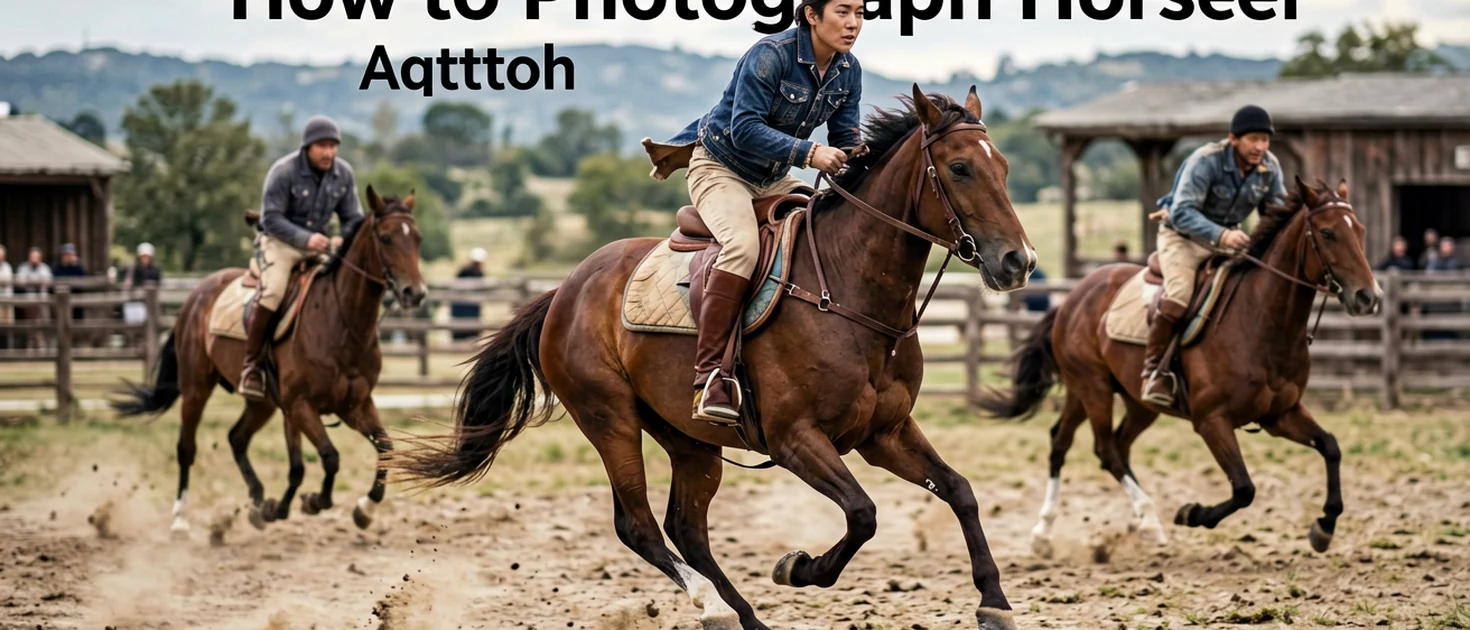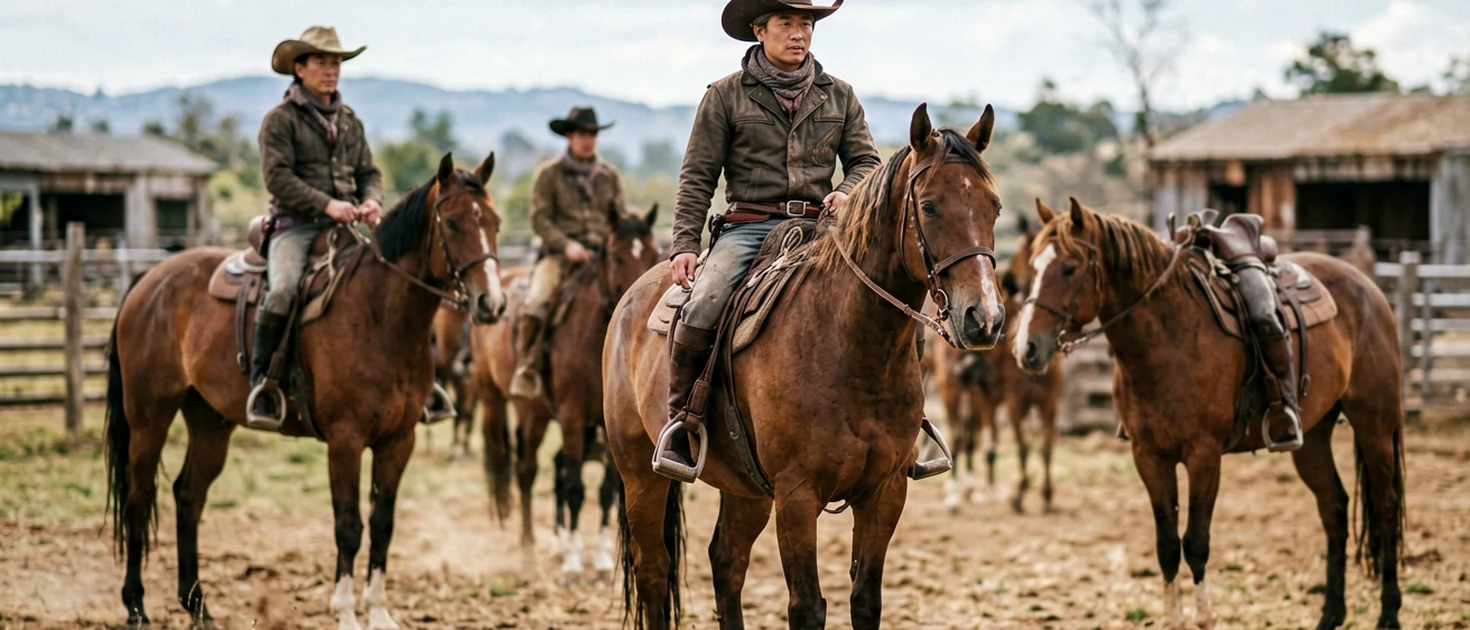
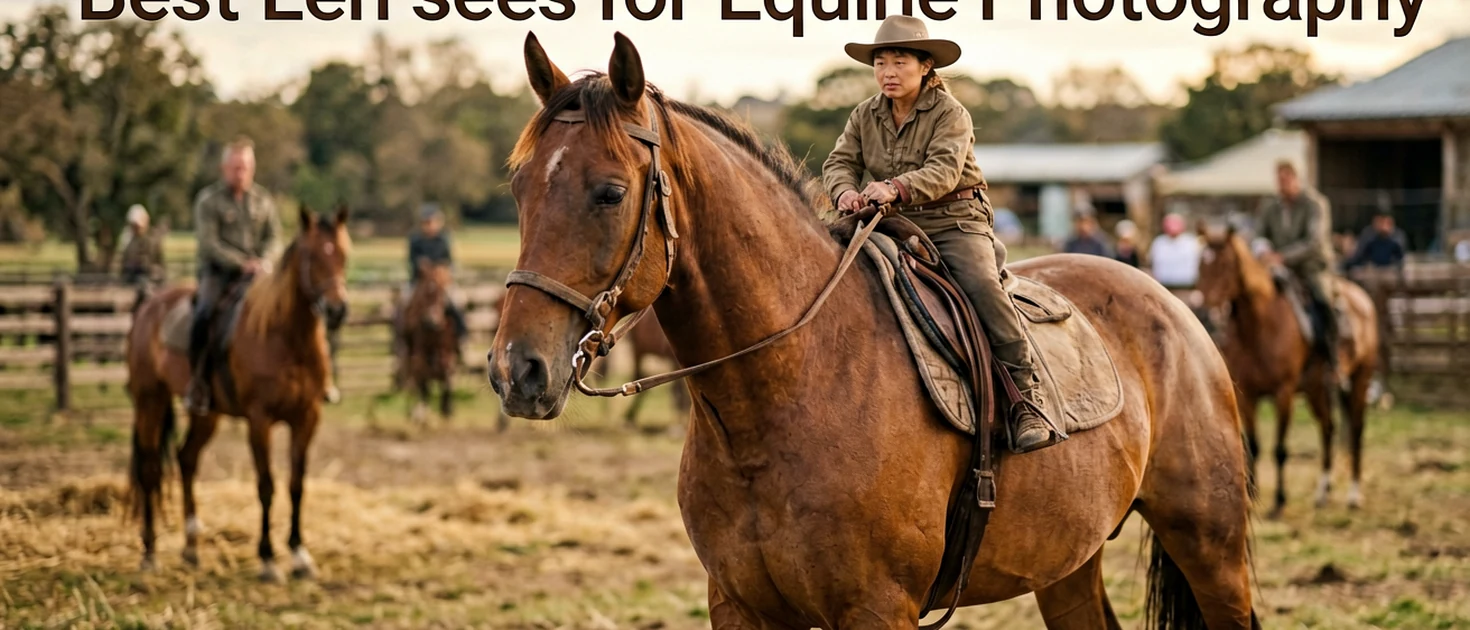
Best Lenses for Equine Photography From Portraits to Arena Action
Choose lenses based on working distance, movement and the space you actually shoot in most often.
Quick takeaways
- A 70-200mm remains one of the most flexible lenses for horse portrait and action work.
- Fast wide primes look beautiful, but only when the horse is calm and your working distance is safe.
- Buy for how far you stand from horses most often, not for abstract spec-sheet appeal.
- Longer glass matters more as arena size and safety distance increase.
Lenses that earn the most use
If you shoot both portraits and light action, a 70-200mm is still the easiest recommendation because it gives reach, compression and safer spacing around horses. A 24-70mm can support environmental work and tighter spaces, but it is less forgiving around motion and facial distortion at the wide end.
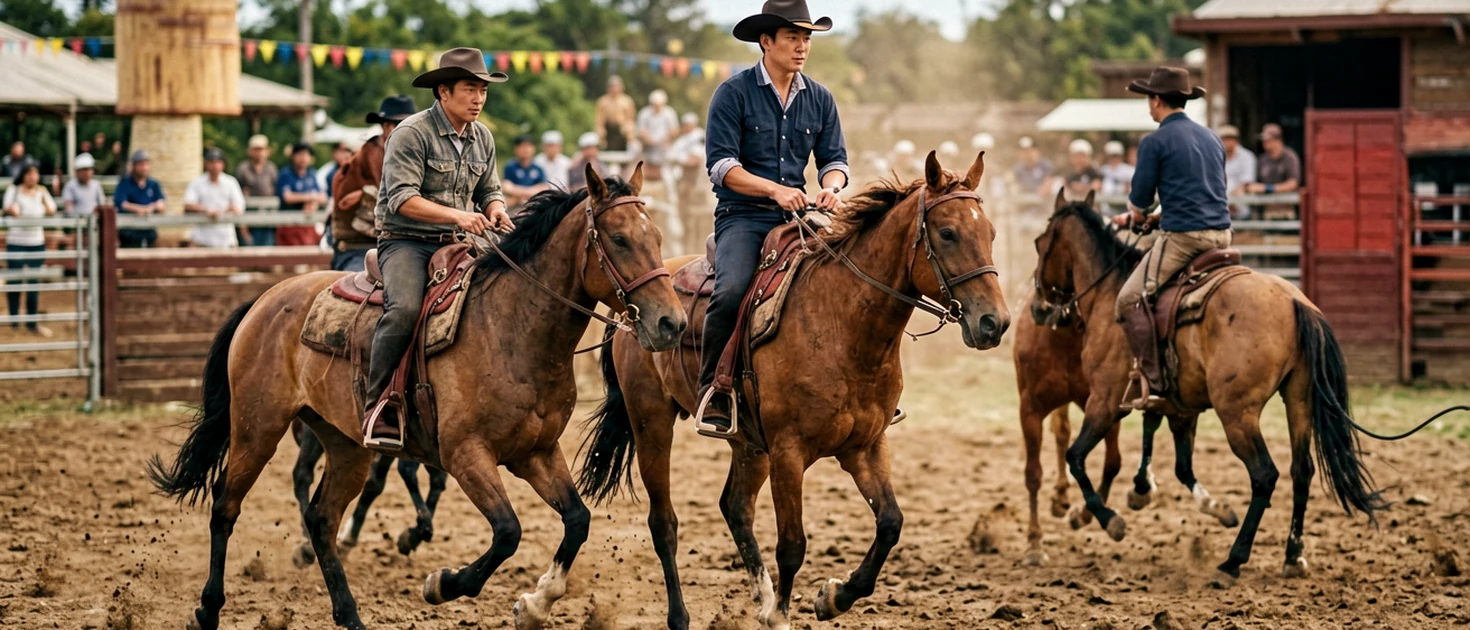
For dedicated rodeo or arena work, longer glass starts to matter more because rail position and safety distance limit how close you can get.
| Lens type | Best use | Watch for |
|---|---|---|
| 70-200mm | Portraits, walking frames, light action | Weight over long sessions |
| 24-70mm | Environmental portraits, ranch details | Distortion when too close |
| 135mm prime | Elegant compression and isolation | Less flexibility on the move |
| 100-400mm | Large arenas and distant action | Needs more light or higher ISO |
Good horse photography almost always gets easier when the plan gets simpler.
Frequently asked questions
Is a 70-200mm the best first lens for equine photography?
For many photographers, yes. It covers a wide range of portrait and action needs while preserving comfortable working distance and flattering compression.
Do wide-angle lenses work around horses?
They can, but only when used carefully. Too close and they distort faces, heads and legs in ways that stop looking polished very quickly.
What lens is best for rodeo action?
That depends on where you can stand, but a fast telephoto or a longer zoom is usually the safest starting point because arena distances change quickly and you need room to react.