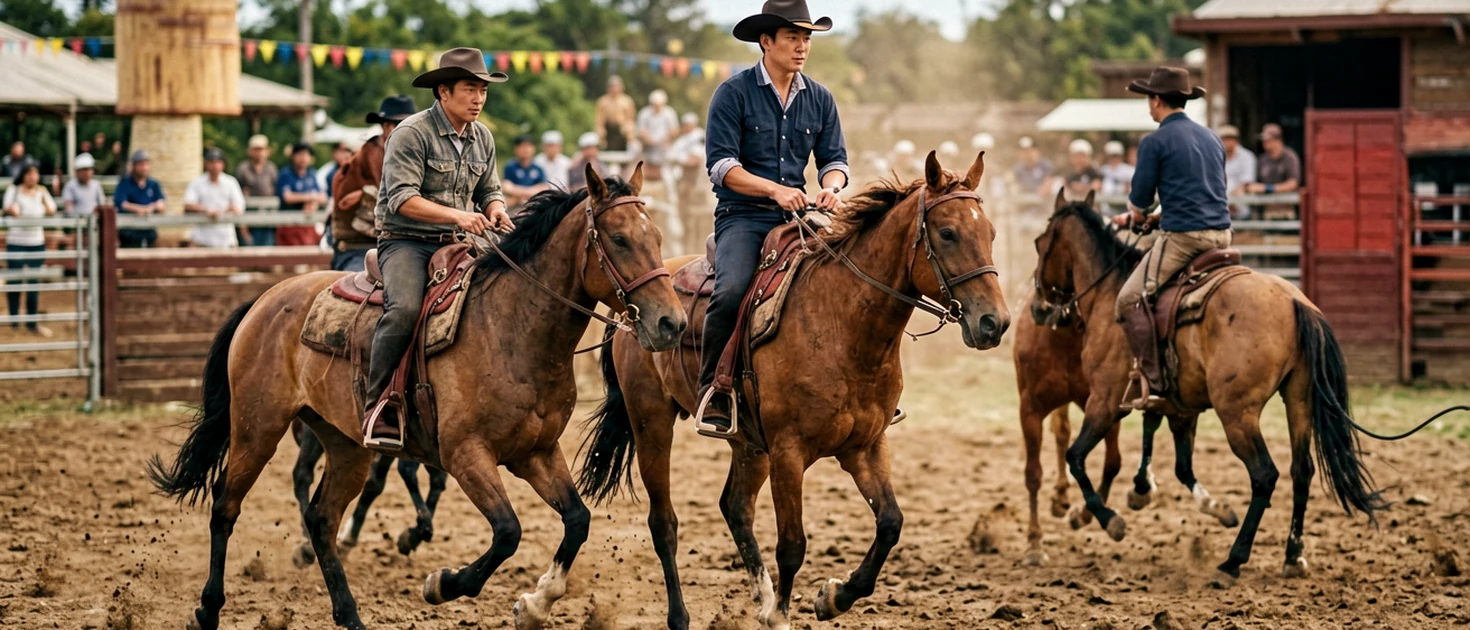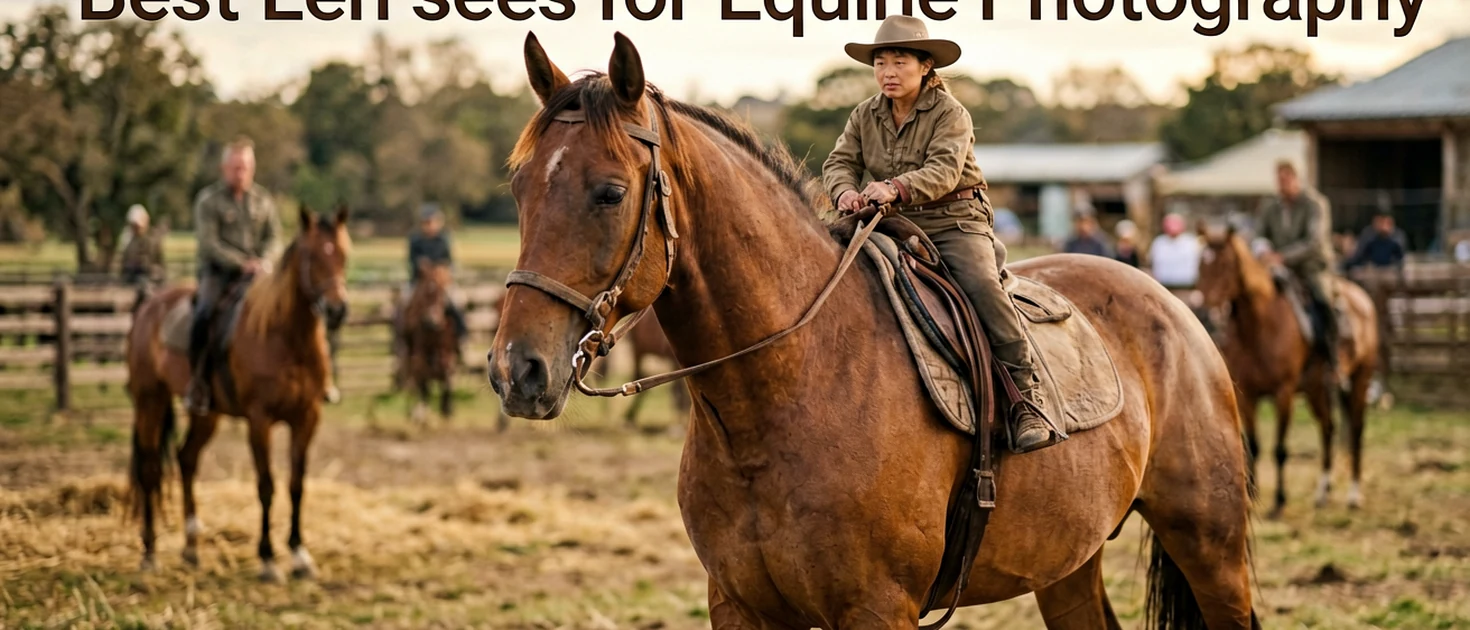
How to Photograph Horses in Motion Without Losing Sharpness
Sharp horse action starts with anticipation, not frantic button mashing.
Quick takeaways
- Shutter speed below 1/1000s often fails once the horse turns its head or accelerates.
- Track the shoulder or rider's torso instead of chasing every hoof beat visually.
- Timing the cleanest stride matters as much as technical sharpness.
- Raise ISO before sacrificing the shutter speed needed for readable action.
Focus settings that actually help
Continuous autofocus is the default for motion, but the bigger improvement usually comes from choosing one tracking area and staying disciplined with it. Jumping between zones mid-sequence makes the camera hunt and introduces random misses.
Track the horse's shoulder line or the rider's chest when the face moves too fast or too unpredictably.
| Situation | Shutter speed | Focus mode |
|---|---|---|
| Walk toward camera | 1/1000s | Continuous AF |
| Canter or barrel turn | 1/1600s to 1/2000s | Continuous AF + burst |
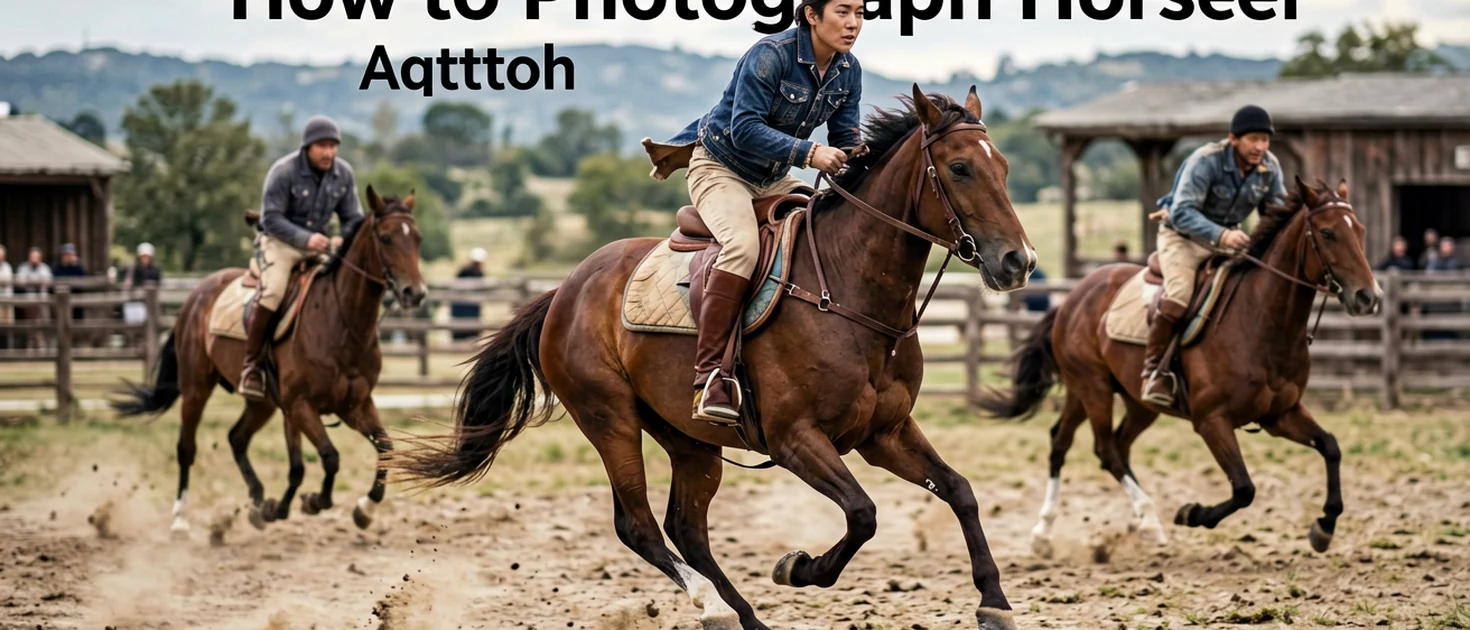
| Panning side pass | 1/200s to 1/320s | Continuous AF with body follow-through |
Good horse photography almost always gets easier when the plan gets simpler.
What makes an action frame look clean
A technically sharp image still looks awkward if the stride is messy, the rider is blinking or the horse's ears are pinned flat. Watch for the leading leg pattern and the shape of the neck.
For turns and stops, shoot through the approach, the peak and the first beat after the peak. Many of the best frames happen one fraction later than photographers expect.
- Watch ears, neck line and eye visibility
- Leave room in front of the movement
- Shoot through the moment, not just at it
- Raise ISO before sacrificing shutter speed
Frequently asked questions
What shutter speed is best for moving horses?
For reliable sharpness, start around 1/1000s for walking or easy movement and move to 1/1600s or higher for faster action, tighter lenses or unpredictable turns.
Is burst mode necessary for horse action?
Yes, but only in short controlled bursts. It helps you capture the best stride phase, but it will not fix poor timing or weak focus placement on its own.
Should photographers use panning for horses?
Yes, especially for side-passing action in barrels, roping or warm-up passes. Panning can add speed and atmosphere when the background supports it and your shutter speed is intentionally lower.