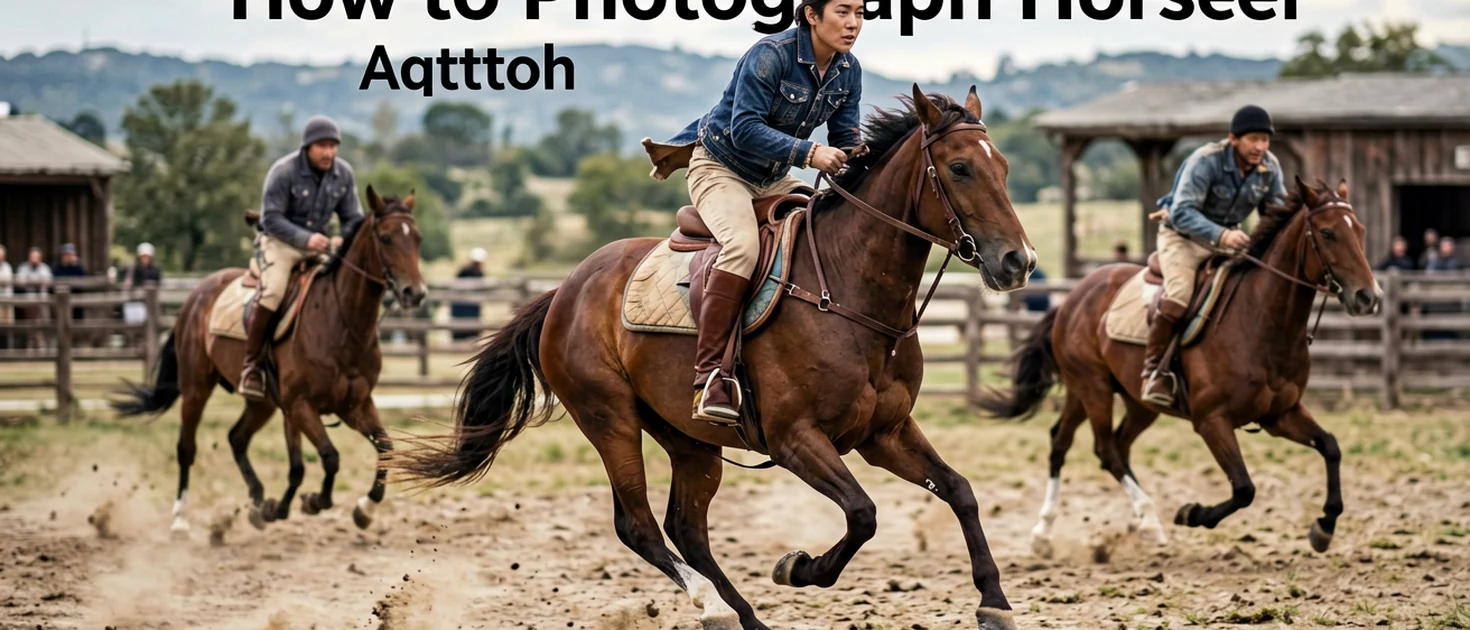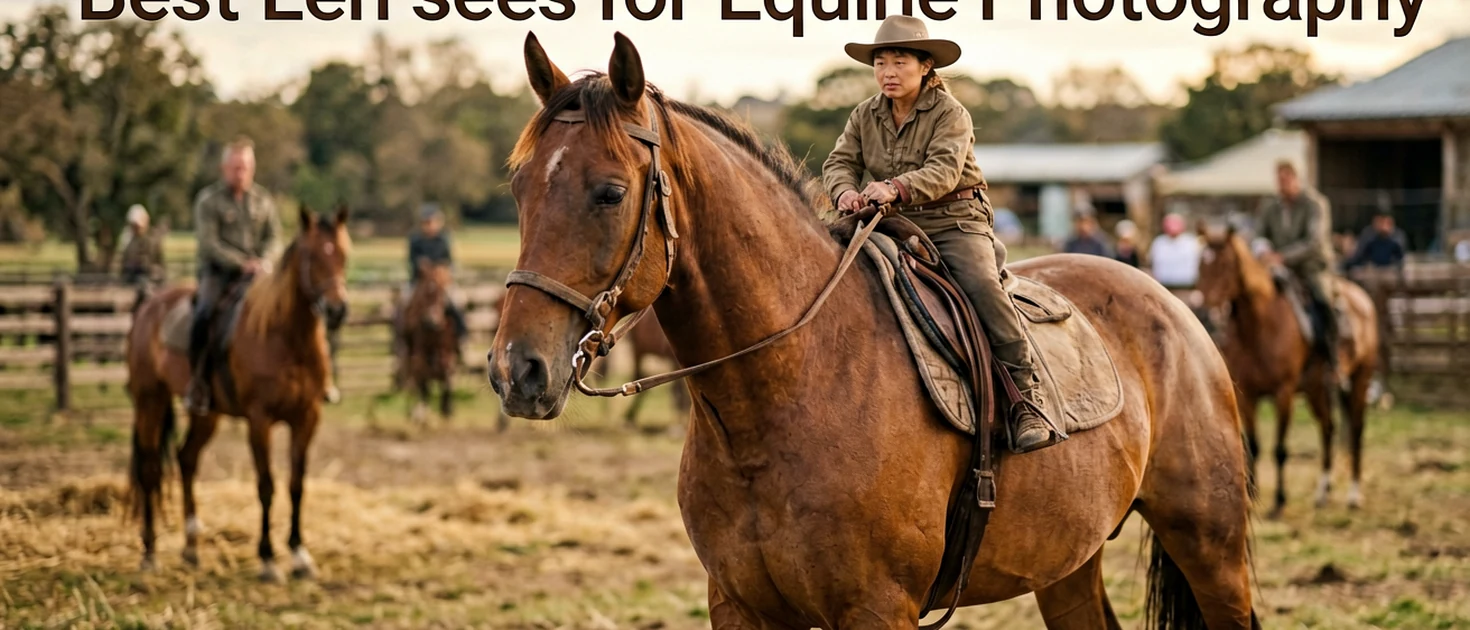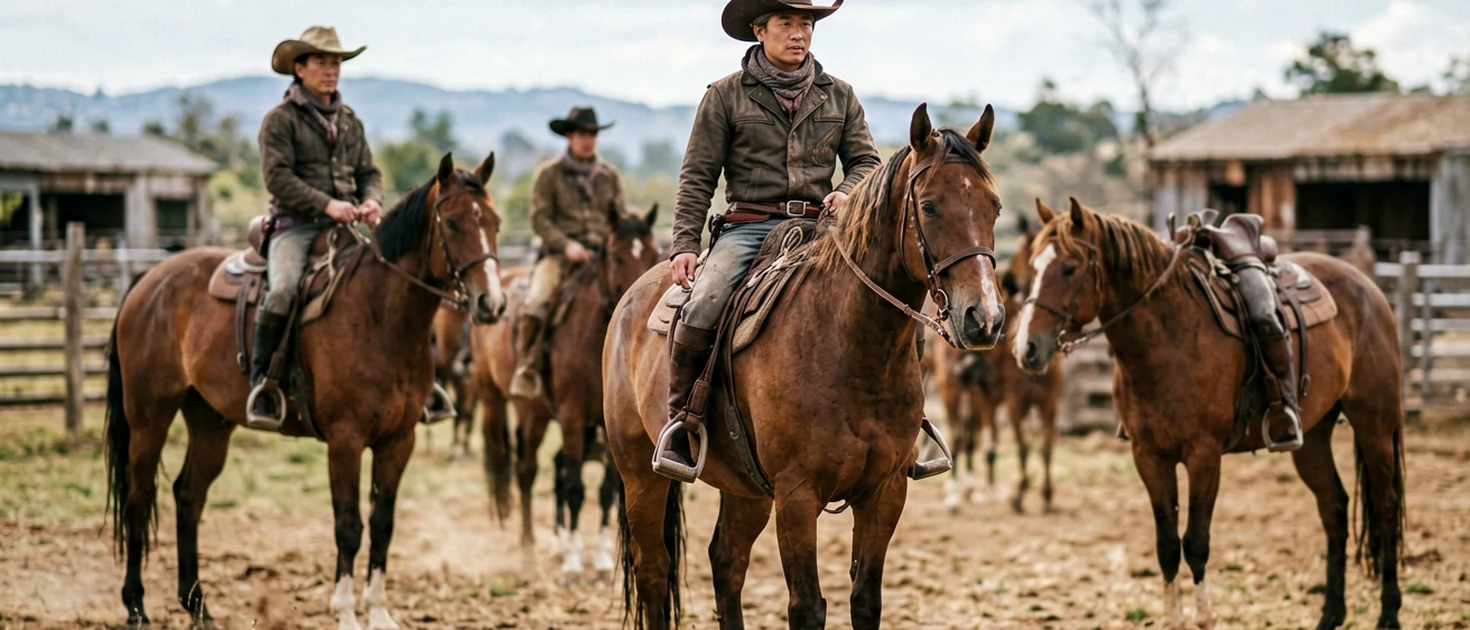
Rodeo Photography Settings for Barrels, Roping and Chute Action
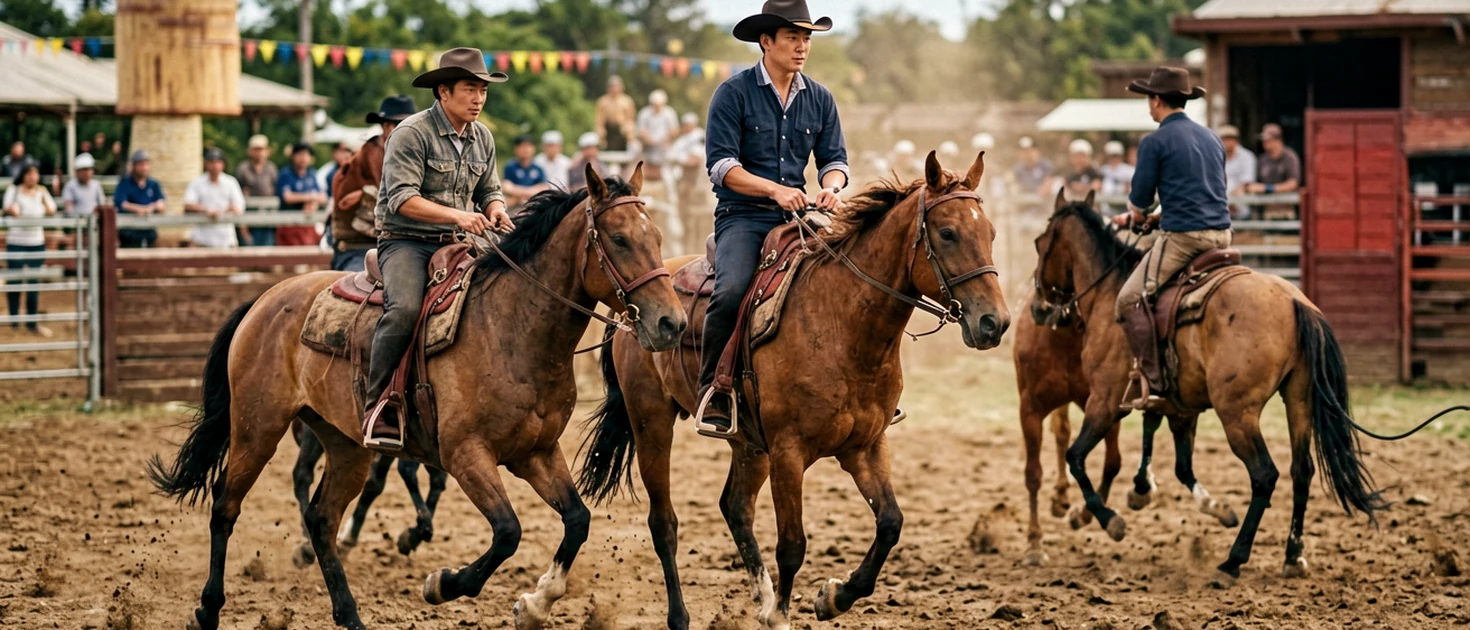
The best rodeo images come from reading the event, not just reacting to speed.
Quick takeaways
- Set shutter speed by event intensity, not by hope: 1/1600s and up is common for the cleaner peak moments.
- Stand where the movement opens toward you rather than closing away from you.
- Each event has one or two repeatable peak positions; learn them and shoot through them deliberately.
- Clean rodeo coverage is as much about position and timing as camera settings.
Settings by event type
Barrel racing needs sharp turns and expressive body lines, so you need enough shutter to freeze dirt and muscle while leaving room for the horse's path. Team roping rewards anticipation at the catch and the stop. Chute events demand faster reactions to explosion and landing shape.
The right rail position depends on whether you want face, line or dust. Pick before the gate opens.
| Event | Suggested shutter | Best moment to watch |
|---|---|---|
| Barrel racing | 1/1600s to 1/2000s | Approach into the turn and the exit line |
| Team roping | 1/1600s+ | Catch and stop sequence |
| Bull or bronc chutes | 1/2000s+ | Explosive first beats out of the gate |
Good horse photography almost always gets easier when the plan gets simpler.
Safer and cleaner shooting positions
Good rodeo coverage is partly a safety problem. Stay aware of officials, riders, livestock paths and other photographers. Clean backgrounds often come from moving a few yards, not fifty.
If a position is technically available but likely to put you in someone's way or make you guess at exits, it is not the right spot.
- Keep one escape path clear
- Avoid backing up into traffic while shooting
- Know which background lines go behind the action peak
- Shoot warm-ups when possible to test exposure
Frequently asked questions
What shutter speed is best for rodeo photography?
For many events, 1/1600s is the practical floor and 1/2000s or more is often safer for peak action, especially when horses turn, stop or burst from the chute.
Where should photographers stand for barrel racing?
Stand where the horse opens through the turn and you can see the rider's face, the bend and the dirt line cleanly. The exact spot depends on arena layout, but face visibility and path shape should guide the choice.
Is panning useful in rodeo?
Yes, especially for side-passing speed shots when you want motion in the background. Just do it intentionally rather than dropping shutter speed at random.