How to Film a Horse Show Run So the Rider Can Actually Review It Later
A review clip only helps when it shows the setup, the full pattern, and the seconds after the last maneuver.
Quick takeaways
- Start recording before the rider reaches the first marker so the setup and pace are visible.
- Hold the phone horizontally and keep the entire horse and rider in frame unless the rider asked for a vertical social clip.
- Follow the path smoothly instead of zooming in tight and losing the shoulders, turns, or lead changes.
- Keep filming for a few seconds after the last maneuver because the exit, score call, or immediate reaction often matters in review.
First show jump with Bea (Helmet Cam)
Showjumping helmet cam of Lissavorra Quality (aka Bea) in the Preliminary/Training division at the 2023 February Schooling ...
Also useful if you are comparing clips around: How to Film a Horse Show Run So the Rider
- Channel: Elisa Wallace Eventing
Set the phone up for review, not for dramatic close-ups
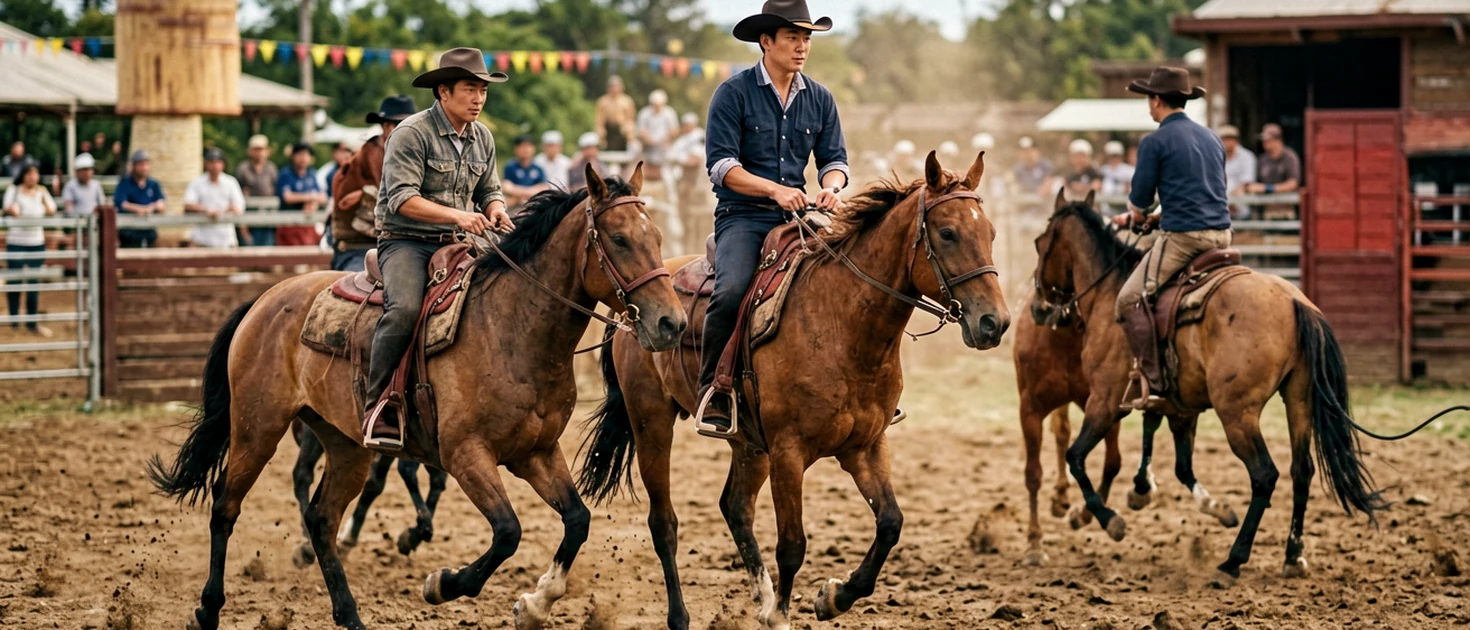
The rider is not asking for a cinematic reel. They need a clip they can study afterward, which means the first job is simple coverage. Clean the lens, switch to landscape, and stand where the full line of travel stays visible instead of planting yourself where one barrel or one stop looks exciting for two seconds and useless for the rest of the run.
If the rider did not give you special instructions, 4K at 30 fps is a safe default on most phones because it keeps detail without making the file awkwardly slow. What matters more than the exact setting is that the phone stays steady, the arena stays readable, and the rider can see transitions instead of guessing what happened off-screen.
| Before the run | Recommended choice | Why it helps |
|---|---|---|
| Phone orientation | Landscape | Shows the full arena path and makes later review easier. |
| Video setting | 4K at 30 fps when available | Keeps enough detail for frame checks without overcomplicating the clip. |
| Standing spot | A clear angle with the full pattern visible | Lets you follow the horse without losing turns or the approach. |
Good horse photography almost always gets easier when the plan gets simpler.
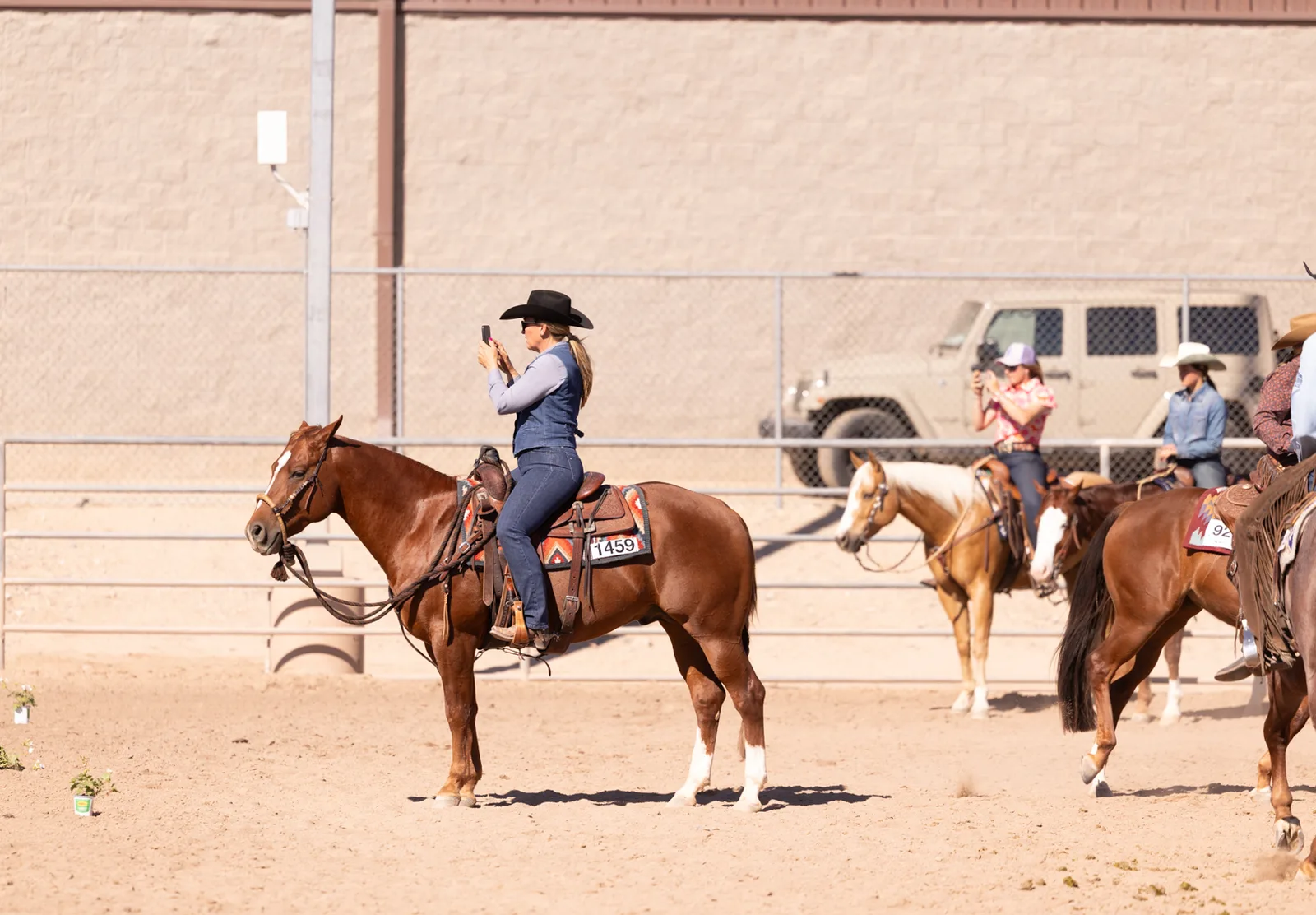
Start early and keep the whole horse in the frame
One of the most common mistakes is waiting until the rider is already in the pattern before hitting record. That cuts off the approach, and the approach often explains the run. Riders want to see the pace into the start, whether the horse looked settled, and what the body position looked like before the first cue ever landed.
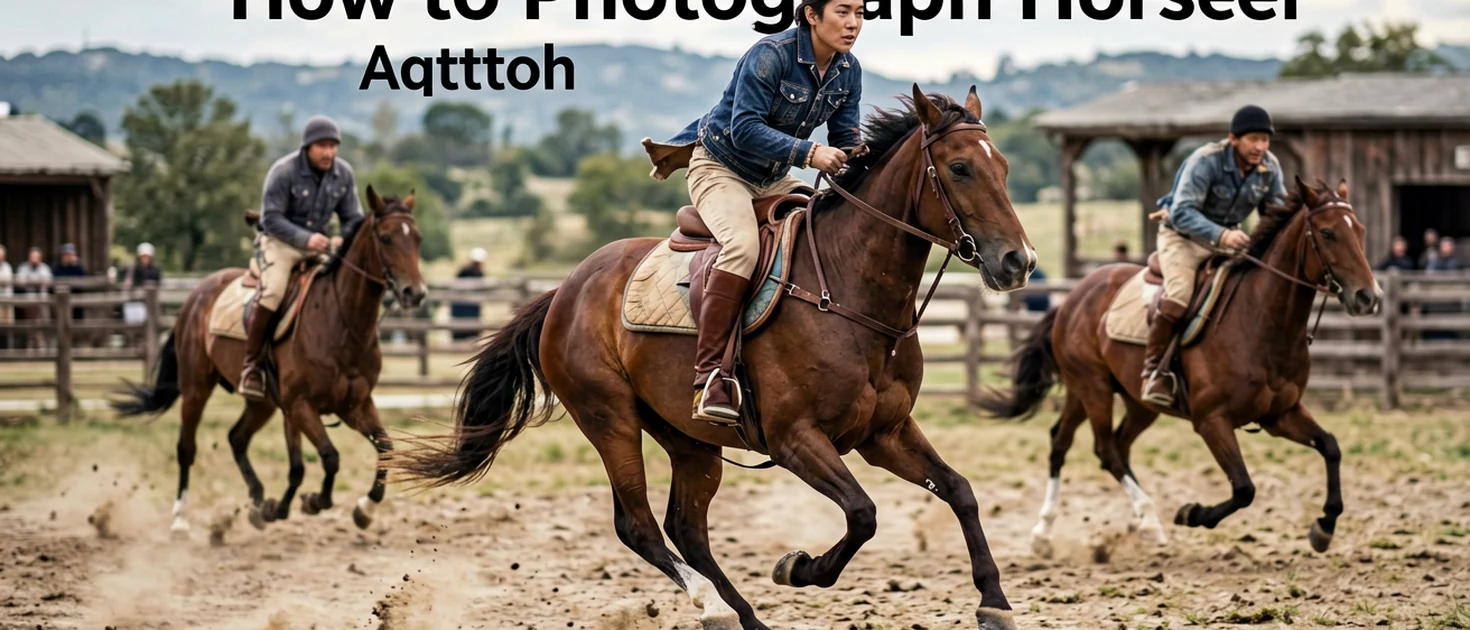
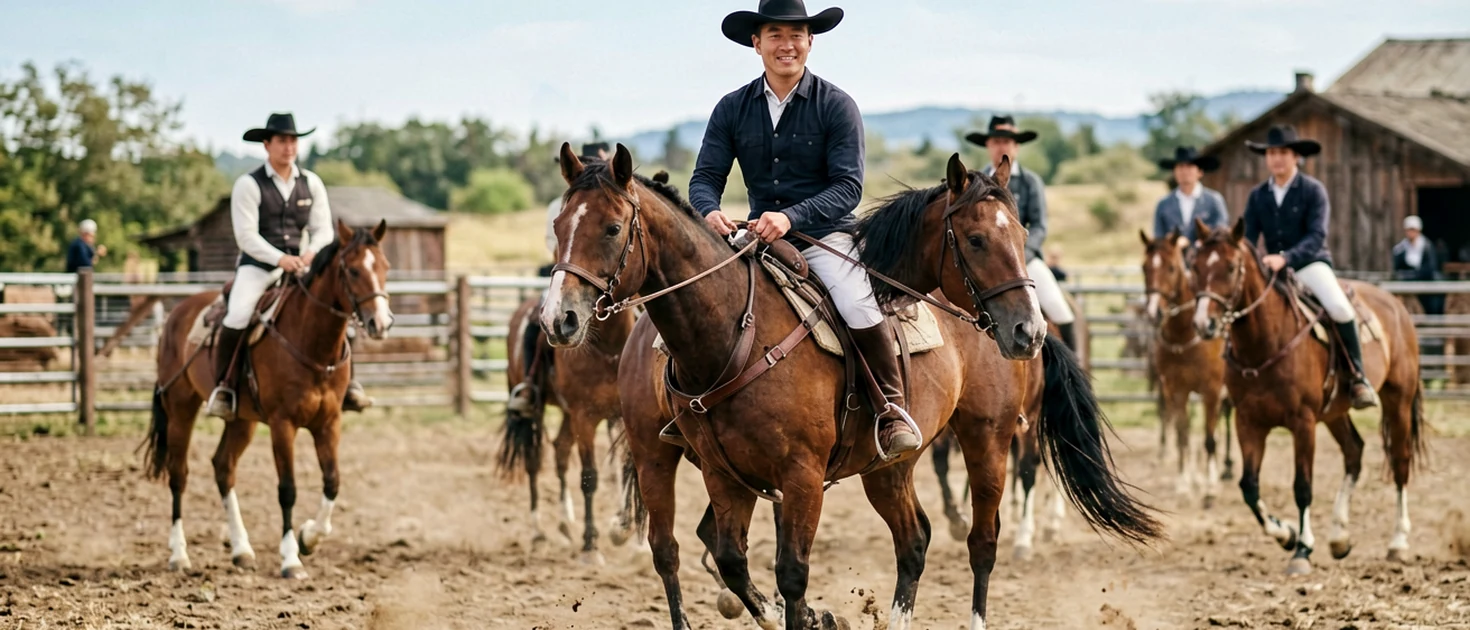
The other mistake is zooming so tight that the rider gets a nice view of their upper body and no useful view of the horse underneath them. A review clip should show the whole horse, the rider, and enough arena reference that the path still makes sense when someone watches it back later.
- Hit record before the horse reaches the start marker.
- Leave enough space around the frame for turns and drift.
- Choose full-horse coverage over a tighter but less useful crop.
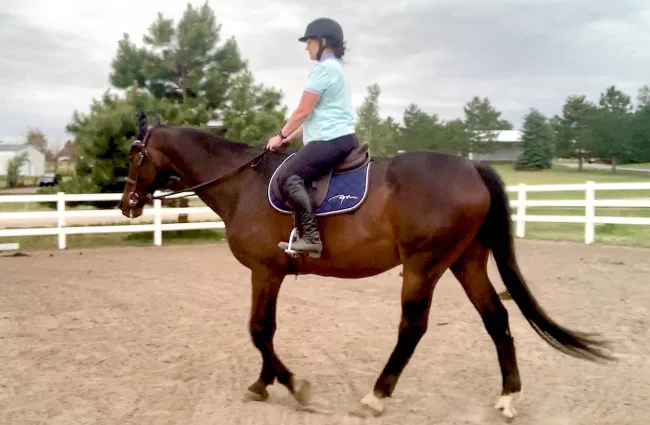
Follow the pattern smoothly instead of chasing every moment
Good show footage feels calm because the person filming is thinking one beat ahead. Watch where the horse is going next and move with the line of travel instead of reacting late and whipping the phone across the pen. Small, steady pans help the rider study timing, line choice, and body position far better than frantic correction after the horse is already somewhere else.
Try not to pinch-zoom during the run unless the rider is far away and you can do it before the pattern starts. Zooming mid-run usually makes the clip jerk, and that is exactly when viewers lose the shoulder, the lead change, or the shape of the turn they actually needed to see.
- Watch the next maneuver, not just the one happening now.
- Pan with the horse instead of stabbing at the screen to re-center every stride.
- Avoid mid-run zoom changes unless the framing is completely unusable without them.
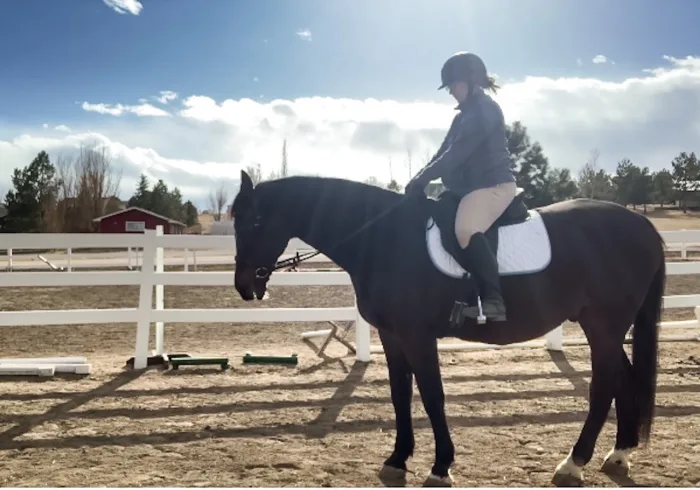
Keep rolling after mistakes and after the pattern ends
If something goes wrong, do not stop the video out of sympathy. Those are often the moments the rider needs most. A missed lead change, a bobble at the gate, or a blown line is easier to fix when the rider can actually see the full sequence instead of hearing a secondhand description afterward.
The same rule applies at the end. Keep filming for a few seconds after the final maneuver. The exit, the horse settling back down, and any score or time announcement can matter just as much as the pattern itself. Ending the clip too soon is an easy way to lose the piece the rider was waiting for.
- Do not cut the video because the run got messy.
- Hold the frame through the exit and immediate aftermath.
- Send the full clip before trimming anything for social media.
Frequently asked questions
Should I film a horse show run vertically or horizontally?
Horizontally is the better default for review footage because it shows more of the arena and keeps the path readable. Only switch to vertical when the rider specifically wants a social-media-first clip.
When should I start recording a horse show pattern?
Start before the horse reaches the first marker or enters the main line of travel. Riders usually want to review the setup into the pattern, not only the maneuvers after the run has already started.
Is it okay to zoom in while filming?
Usually no. Tight zoom makes it easier to lose the horse, especially on turns or stops. A wider frame that keeps the whole horse and rider visible is more useful than a dramatic close-up that misses the path.
Why keep filming after the last maneuver?
Because the exit, the horse settling back down, and any score or time call can all matter in review. Cutting off the last few seconds often removes the part riders wanted to check next.