How to Reduce Noise in Equine Photos Without Smearing Detail
Noise gets louder when a horse photo is underexposed, over-cropped, or pushed too hard in editing. A steadier workflow keeps the detail in dark coats, arena shade, and sunset sessions.
Quick takeaways
- Expose the file as cleanly as the scene allows so the shadows do not need a dramatic rescue later.
- Raise ISO before sacrificing the shutter speed that keeps horse movement readable and the frame properly lit.
- Over-sharpening, heavy clarity and aggressive shadow lifts can make a decent file look rough in a hurry.
- Use selective noise reduction where the problem actually lives instead of softening the whole image.
How to Remove Noise and Grain from Photos with AI Denoiser
In this video, I'll show you How toRemove Noiseand Grain fromPhotoswith AI Denoiser Do you want to start an online ...
Also useful if you are comparing clips around: How to Reduce Noise in Equine Photos Without Smearing Detail
- Channel: AI Mastery Tutorials
Start by fixing the capture problem, not by planning a heavy edit rescue
Noise usually becomes obvious when a horse photo did not get enough light in the first place. That happens fast at golden hour, in indoor pens, under covered arenas, or any time a dark coat is standing against a brighter background that tricks the meter.
A cleaner file usually starts with a more honest exposure decision in camera. If the choice is between a slightly higher ISO and a file that needs huge shadow recovery later, the higher ISO often wins because the image starts with more usable information.
| Editing move | Why it makes noise show harder | Safer adjustment |
|---|---|---|
| Heavy clarity | Boosts midtone contrast and roughens grain in shadow areas. | Use clarity lightly and judge dark coats at 100 percent before adding more. |
| Over-sharpening | Edge contrast makes pixel noise look harsher and more brittle. | Sharpen selectively after the exposure and crop are settled. |
| Large shadow lift | Brightens the weakest parts of the file where noise already lives. | Expose more cleanly in camera and lift only what the file can hold. |
| Deep crop | Magnifies every weakness, including blur and noisy texture. | Frame tighter in the field when possible and crop with restraint later. |
Good horse photography almost always gets easier when the plan gets simpler.
Make exposure choices that respect movement, coat tone and background contrast
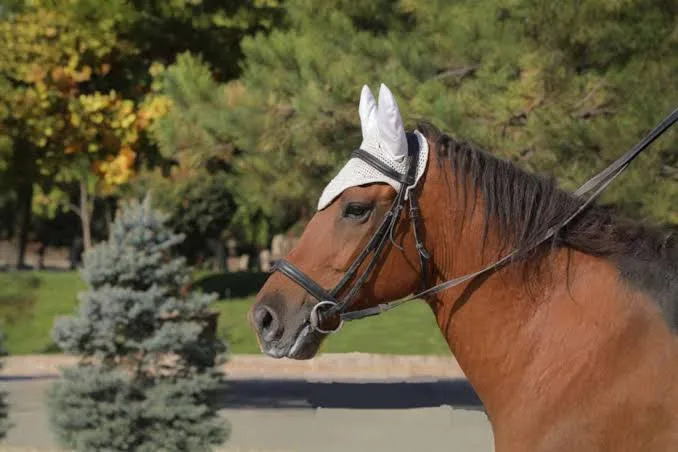
Equine photographers often get caught between action and light. A horse may be moving quickly, the rider needs a clean expression, and the arena background is brighter than the subject. That is why noise control is tied to shutter speed, exposure compensation and where you choose to meter, not just to an editing preset.
When the horse is moving, protecting shutter speed matters. In many real sessions it is better to raise ISO than to bring home a file that is both too dark and too slow to stay sharp. A sharp image with manageable grain is usually far more usable than a cleaner-looking file that falls apart once the motion blur is obvious.
- Watch the histogram or exposure preview when dark coats are standing in patchy light.
- Raise ISO before you give away the shutter speed needed for canter, lope or quick head movement.
- Meter for the horse and rider, not just the bright dust or sky behind them.
Edit with restraint so the detail in mane, leather and facial features survives
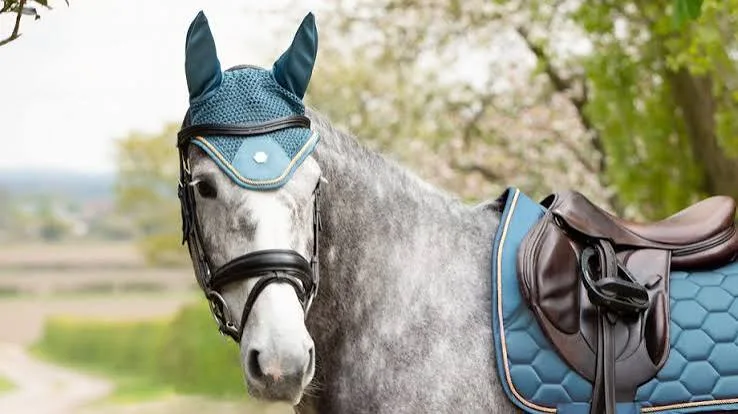
Some files do need help, but noise often gets exaggerated by editing habits that feel harmless in the moment. Pushing clarity, sharpening every edge, and dragging the shadows open too far can rough up dark coats and make skin, tack and arena texture look brittle.
A quieter edit usually comes from smaller moves made in the right order. Set exposure first, crop only as much as the image can handle, and then reduce noise where it is actually distracting instead of blurring the whole frame into waxy smoothness.
- Back off global sharpening until the crop is final.
- Check mane, eyelashes and leather texture after noise reduction to make sure they still read cleanly.
- Treat clarity as seasoning, not as the main tool that has to rescue the image.
Use selective denoise when the file needs help, and keep the strong detail areas protected
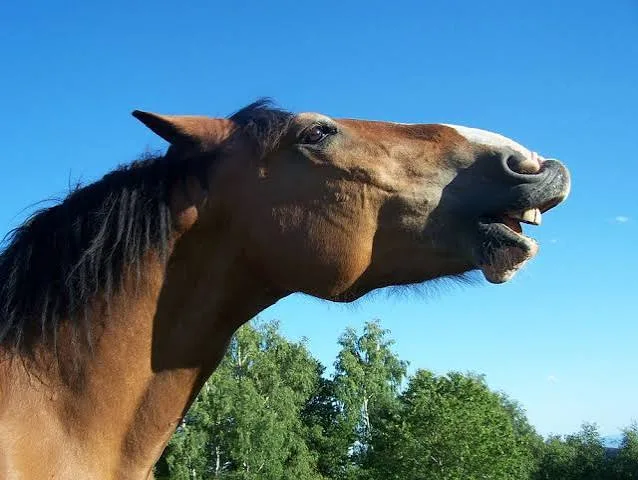
Noise reduction works best when it is applied with a purpose. The noisiest areas are often the background, the deepest shadows, or the less important parts of the frame rather than the horse's eye, the rider's hands or the tooling on a saddle.
Masking tools and modern denoise options can help, but the goal is still the same: calm the rough areas without flattening the image. If a viewer notices the soft plastic look before they notice the horse, the edit went too far.
- Target the darkest or least critical areas first.
- Keep a close eye on eye detail, whiskers, mane texture and tack edges.
- Use AI or automatic denoise carefully when the image is headed for contest submission and the rules matter.
Build a field routine that gives you cleaner files before you even open Lightroom
The most repeatable noise fix is a field routine that lowers the odds of underexposure in the first place. Scout the direction of light, test a few frames before the horse starts moving, and know in advance how far you are willing to push ISO for that body, lens and client use case.
That preparation matters even more at ranch sessions and horse shows where the light changes by the minute. A short test at the start of each location often prevents a long cleanup session later.
- Run a quick test frame whenever the horse moves from open light into shade or an indoor pen.
- Keep your personal ISO comfort range in mind for portraits, action and delivery size.
- Recheck exposure after wardrobe, tack or background changes because dark gear can shift the file fast.
Frequently asked questions
Is a higher ISO always worse than brightening the file later?
Not always. In many horse sessions, a modest ISO increase creates a cleaner result than bringing home an underexposed file and lifting the shadows hard in editing.
What editing move makes noise look worse the fastest?
A big shadow lift is one of the fastest ways to expose noise, especially in dark coats or arena shade. Heavy clarity and oversharpening often make the problem even rougher.
Should noise reduction be applied to the whole image?
Usually no. Selective denoise is safer because it lets you calm the rough background or deep shadows without smearing eye detail, mane texture or tack edges.
What is the simplest field habit that helps most with noise?
Test the exposure before the action starts and adjust for the horse rather than the bright background. That one habit reduces the need for heavy rescue work later.